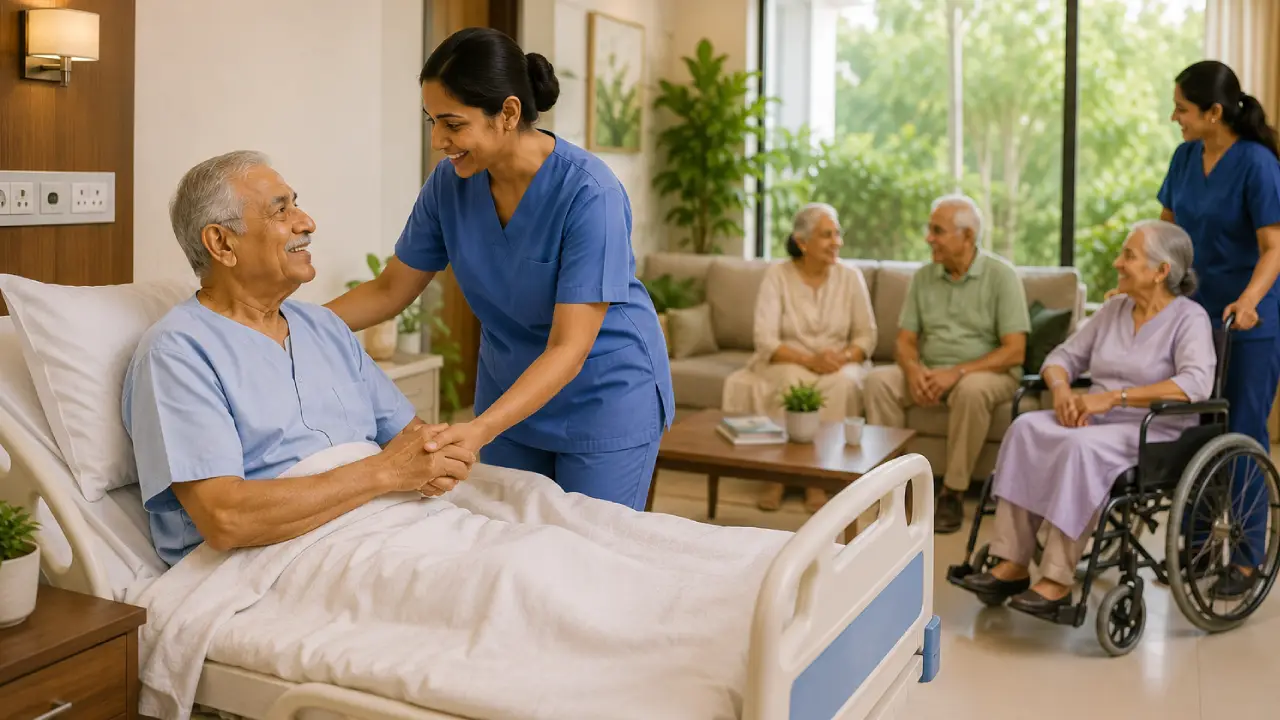
Choosing the right place for your parents to age comfortably is never just a practical decision, it’s deeply emotional. It often comes with questions, hesitation, and a strong desire to do what’s best for them. In today’s fast-moving world, where families are balancing careers, responsibilities, and sometimes even distance, the idea of a senior care home has evolved into something far more meaningful than it once was. It is no longer seen as a last option, but as a thoughtful choice that ensures safety, dignity, and a better quality of life.
India is quietly undergoing a major demographic shift. According to the United Nations (UN), nearly one in five Indians will be over the age of 60 by 2050. That’s a significant change from where we are today, with the elderly population already crossing 140 million. At the same time, the senior living sector is growing rapidly, with projections showing over 30% CAGR (Compound Annual Growth Rate) in the coming years. These numbers are not just statistics, they reflect a real and growing need for dependable care solutions that support both seniors and their families.
Add creative with the alt tag - How to choose a senior care home for a better living)
A good senior care home doesn’t replace family, it supports it. It creates a safe and structured environment where seniors can continue living independently, but without the risks that often come with aging alone. In cities like Bangalore, this shift is already visible, with options such as elderly care in Bangalore, assisted living in Whitefield, and thoughtfully designed senior living facilities that combine comfort with medical support. The focus today is not just about staying somewhere, it’s about living well every single day.
When families begin exploring options, one of the first things they notice is the approach to care. It’s not just about having caregivers present; it’s about how care is delivered. Quality elder care services are always tailored to individual needs. Whether it’s help with daily routines, supported care post hospitalization, or simply having someone attentive around, these small details create a big sense of security. In fact, studies suggest that nearly 70% of urban seniors require some form of assistance in their daily lives, making structured care environments more relevant than ever.
Healthcare support is another key factor that cannot be overlooked. Aging often brings a set of medical challenges that require consistent monitoring and care. From spine & trauma care to rehabilitation care pre & post-hip, knee & spine surgery, and even pre & post-surgery & intervention recovery, the need for integrated healthcare is increasing. Research shows that around 65% of elderly individuals in India live with at least one chronic illness, while many also face mobility-related concerns. Having access to these services within a single environment not only reduces stress but also ensures better and faster recovery.
At the same time, emotional well-being plays an equally important role. Many seniors don’t just struggle with health issues, they struggle with loneliness. A truly premium senior care environment understands this and actively focuses on social interaction and mental engagement. Activities, group sessions, and therapies such as cognitive therapies & pain management or restorative care for Alzheimer’s, Parkinson’s, dementia & cognitive therapies help keep the mind active and positive. According to global health studies, nearly 15% of people aged 60 and above experience mental health concerns, often linked to isolation. A supportive and engaging community can make a meaningful difference.
Physical strength and mobility are just as important when it comes to maintaining independence. Programs focused on strength and mobility restoration, whether through physiotherapy, guided exercises, or assisted routines help seniors stay active and confident. Statistics suggest that falls account for nearly 30% of injuries among older adults, highlighting the importance of a safe and supervised environment. A well-designed premium senior care facility ensures that physical wellness becomes part of everyday life, not just something addressed occasionally.
There is also a growing awareness around palliative care, especially for seniors dealing with serious or long-term conditions. This type of care focuses on managing pain, relieving discomfort, and providing emotional support. It’s not just about treatment—it’s about comfort, dignity, and quality of life. Globally, millions of people require palliative care each year, and having access to it within a trusted environment brings immense peace of mind to families.
The environment itself plays a subtle but powerful role in how seniors feel. Clean spaces, proper ventilation, safety features like handrails, and a calm, welcoming atmosphere all contribute to comfort and confidence. Families today are also looking for transparency, clear communication, flexible care plans, and the ability to stay connected and involved. In fact, surveys show that more than 80% of families prioritize safety, hygiene, and medical accessibility when choosing a care facility.
Belvaa Senior Care reflects this new-age approach by combining medical expertise with a warm, community-driven environment. With services ranging from assisted living in Whitefield to specialized healthcare, rehabilitation, and supported care, their focus remains on creating a space where seniors feel respected and secure. You can explore more about their offerings at belvaaseniorcare.com, where care is designed around dignity, comfort, and holistic well-being.
In the end, choosing a premium senior care option is not about letting go, it’s about making a thoughtful decision that improves your parents’ quality of life. It’s about ensuring they are in a place where they feel valued, cared for, and connected. As families continue to adapt to changing lifestyles, such care environments are becoming an essential part of modern living.
One question families often ask is when the right time is to consider such a move. In most cases, it becomes clear when daily tasks start becoming difficult, health concerns increase, or safety becomes a concern. It’s not about waiting for a crisis, but about taking a proactive step towards better living.
Another common concern is whether seniors lose their independence. In reality, the right environment actually enhances independence by providing support where needed, while allowing seniors to continue their routines and make their own choices.
Families also wonder about the level of medical care available. Reputed care homes ensure regular health monitoring, access to trained professionals, and quick emergency response systems, which significantly reduces health risks and offers peace of mind.
Cost is naturally an important factor. While it varies depending on services and facilities, it is best viewed as an investment in safety, health, and overall well-being. Many places offer flexible plans that can be tailored to suit individual needs.
Lastly, emotional well-being remains at the heart of the decision. A space that encourages connection, engagement, and compassionate care can truly transform the experience of aging. When seniors feel supported and understood, it reflects in their happiness, health, and overall quality of life.
1. How do I choose the best senior care home for my parents?
Start by evaluating the level of care required, including medical support, daily assistance, and emotional well-being. Visit the facility, check caregiver qualifications, safety measures, and overall environment. Transparency, personalized care plans, and positive resident experiences are key indicators of a good choice.
2. What is the cost of a premium senior care facility in Bangalore?
The cost can vary based on services, location, and level of care required. Facilities offering medical support, rehabilitation, and assisted living typically have higher pricing. It’s important to compare inclusions, customization options, and long-term value rather than focusing only on the monthly cost.
3. When is the right time to move to a senior care home?
The right time is usually when daily activities become difficult, medical needs increase, or safety becomes a concern. Early transition can actually improve quality of life by providing structured care, social interaction, and a secure environment before complications arise.
4. What services are included in a senior care home?
Most facilities offer a combination of daily assistance, medical monitoring, physiotherapy, and emotional support. Advanced setups may include rehabilitation care, post-hospitalization support, cognitive therapies, and specialized care for conditions like dementia or Parkinson’s.
5. Will seniors lose their independence in a care home?
No, modern care homes are designed to support independence rather than restrict it. Seniors are encouraged to maintain their routines, participate in activities, and make personal choices while receiving the right level of assistance for safety and comfort.