Recovery is rarely simple. After an illness, surgery, accident, stroke, or even a long hospital stay, most people need more than medicines to feel normal again. They need time, support, guidance, and the right environment to slowly rebuild their strength and confidence. This is where rehabilitation care becomes important.
Many people often assume rehabilitation care in Bangalore is only meant for senior citizens. In reality, rehabilitation can help people of all age groups. A young adult recovering from an accident, a middle-aged person healing after surgery, someone recovering from addiction, or an elderly patient regaining mobility after hospitalization may all require structured rehabilitation support. Recovery looks different for every individual, but the need for physical, emotional, and mental healing remains the same.
In cities like Bangalore, where life moves quickly and families juggle work, responsibilities, and caregiving together, professional rehabilitation support is becoming increasingly necessary. Families today are looking for spaces that provide not just medical care, but also emotional comfort, routine support, physiotherapy, and monitored recovery under one roof.
According to global healthcare reports, rehabilitation is now considered an essential part of healthcare because it improves long-term recovery outcomes and helps people regain independence faster. Medical experts also point out that patients who receive structured rehabilitation often recover better physically and emotionally compared to those who recover without proper support systems.
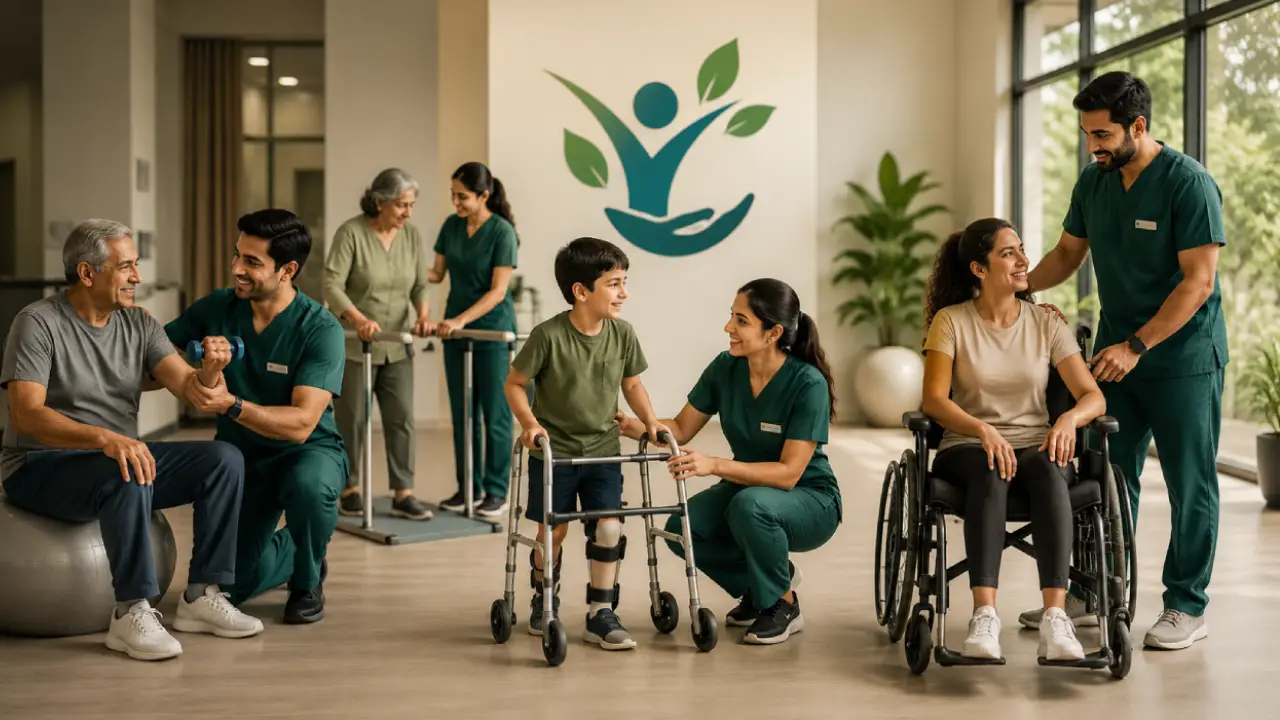
(Add creative with alt tag: Rehabilitation care in Bangalore for all age groups)
One of the biggest challenges after hospitalization is adjusting back to normal life. After surgery, injury, or illness, many people experience weakness, reduced mobility, body pain, emotional stress, or fear of becoming dependent on others. Even simple daily activities can start feeling difficult during recovery. This is why rehabilitation focuses not only on treatment, but also on helping individuals slowly regain confidence in themselves.
Rehabilitation care in Bangalore plays an important role in helping individuals recover safely and regain independence after major health conditions or surgeries. Patients recovering from hip surgeries, knee replacements, spine injuries, fractures, trauma, or neurological conditions often need structured physiotherapy, guided exercises, pain management, and supervised mobility support. With proper rehabilitation, recovery becomes more stable, comfortable, and emotionally reassuring, helping individuals gradually return to their normal routine with greater confidence.
At the same time, rehabilitation is not only about physical healing. Emotional recovery matters just as much. Many individuals feel isolated, anxious, frustrated, or mentally drained during recovery. A calm environment, trained caregivers, companionship, and emotional support can make a significant difference in helping patients feel motivated and positive again.
Another area where rehabilitation has become increasingly important is addiction recovery. Individuals recovering from alcohol dependency, substance abuse, or emotional burnout often need structured care, counselling, routine management, and therapeutic support to rebuild stability in their lives. Recovery in such situations is not only physical but deeply emotional as well.
Nutrition, sleep, medication schedules, and routine monitoring also become essential during rehabilitation. Proper meals, hydration, therapy schedules, and rest all contribute to faster healing. In many homes, especially in busy urban lifestyles, maintaining this level of organised care consistently can become difficult. This is one of the reasons more families are now choosing professional rehabilitation support.
At Belvaa Senior Care, rehabilitation care in Bangalore is approached with both compassion and structure. While the centre is widely known for elderly care in Bangalore and assisted living in Whitefield, the rehabilitation approach supports recovery needs across different age groups. The focus is on creating a safe, peaceful, and supportive environment where people can heal comfortably and regain independence gradually.
The care model includes supported care post hospitalization, spine and trauma care, rehabilitation before and after surgeries, cognitive therapies, pain management, mobility restoration, and emotional wellness support. For seniors, this may also include restorative care for conditions like Alzheimer’s, Parkinson’s disease, and dementia. For younger individuals, rehabilitation may focus more on post-injury recovery, mobility support, or addiction rehabilitation.
What makes rehabilitation truly effective is continuity. Recovery does not end after discharge from the hospital. In many ways, it begins there. Healing takes time, patience, consistency, and emotional reassurance. Having trained professionals monitor recovery while providing emotional encouragement often helps individuals heal with greater confidence and stability.
India’s rehabilitation and elder care industry is also witnessing rapid growth as awareness around long-term recovery increases. Families today understand that proper rehabilitation is not a luxury anymore — it is becoming an important part of healthcare and quality living.
In the end, rehabilitation is not defined by age. Anyone who needs structured recovery and support after illness, surgery, injury, stroke, addiction, or hospitalization can benefit from rehabilitation care. With the right environment, professional support, and compassionate care, recovery becomes smoother, safer, and far more hopeful.
1. What is rehabilitation care and who needs it?
Rehabilitation care helps individuals recover physically, emotionally, and mentally after surgery, illness, injury, stroke, addiction, or hospitalization. It is not limited to senior citizens alone. People of all age groups may require rehabilitation support to regain strength, mobility, confidence, and independence during recovery.
2. How long does rehabilitation recovery usually take?
The duration of rehabilitation depends on the individual’s health condition, age, type of surgery or injury, and overall recovery progress. Some patients may recover within a few weeks, while others may need several months of structured therapy and monitoring for complete recovery.
3. What services are included in professional rehabilitation care?
Professional rehabilitation care usually includes physiotherapy, mobility training, pain management, medication monitoring, nutritional support, emotional wellness support, cognitive therapies, and post-hospitalization care. Some rehabilitation centres also provide addiction recovery programs and neurological rehabilitation support.
4. Why do families choose rehabilitation centres instead of home recovery?
Many families choose rehabilitation centres because continuous care at home can become difficult to manage consistently. Professional centres provide trained caregivers, therapy schedules, medical supervision, emotional support, and structured recovery plans that help patients heal in a safer and more organised environment.
5. Can rehabilitation help after stroke, addiction, or long hospitalization?
Yes, rehabilitation plays a major role in recovery after stroke, addiction, trauma, or prolonged hospitalization. Structured rehabilitation helps improve physical function, emotional stability, daily routine management, and overall quality of life while reducing the chances of complications or relapse.