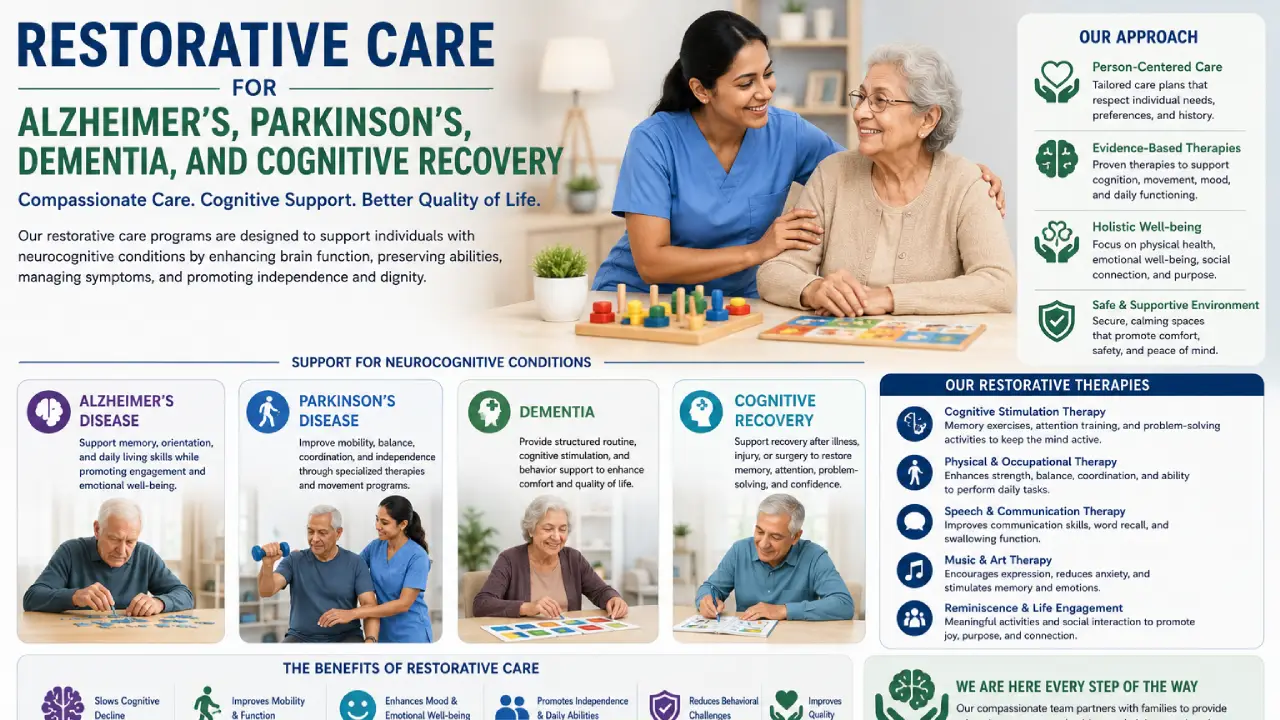
India is entering a phase where senior healthcare is becoming one of the country’s fastest-growing medical sectors. According to industry projections, the elderly population in India is expected to cross 194 million by 2031, creating a significant rise in age-related neurological conditions such as Alzheimer’s disease, Parkinson’s disease, dementia, and cognitive decline. Healthcare experts estimate that nearly one in every eight senior citizens in urban India now requires some form of long-term neurological or rehabilitative support. This growing demand has changed how families approach elder care, especially in metropolitan cities like Bengaluru where professional healthcare support is increasingly becoming a necessity rather than a choice.
In the past, families largely depended on home care and occasional hospital visits for elderly rehabilitation. However, medical studies over the last decade have shown that structured rehabilitation environments can significantly improve emotional well-being, mobility, and cognitive stability among seniors. Research from geriatric healthcare organizations indicates that seniors receiving guided cognitive therapy and rehabilitation support often experience slower progression of dementia-related symptoms compared to those without structured intervention. This growing awareness has increased interest in specialized programs offering Restorative Care in Bangalore, where rehabilitation focuses not only on treatment but also on improving everyday quality of life.
Neurological conditions such as Alzheimer’s and dementia affect more than memory. They gradually interfere with communication, emotional regulation, social interaction, and routine activities. Families often witness behavioral changes, confusion, anxiety, and emotional withdrawal in loved ones dealing with cognitive decline. Parkinson’s disease presents another challenge, affecting mobility, balance, muscle coordination, and independence. According to global neurological studies, Parkinson’s cases worldwide have doubled in the last 25 years, and India is expected to witness a major increase in neurological disorders as life expectancy rises.
Medical professionals now strongly recommend early rehabilitation and cognitive engagement therapies for seniors dealing with neurological disorders. Cognitive stimulation exercises, supervised mobility training, memory activities, speech support, emotional counseling, and social interaction programs have shown positive outcomes in maintaining mental alertness and emotional stability. This modern healthcare approach has transformed the role of Restorative Care in Bangalore, making it an important support system for families seeking long-term cognitive rehabilitation.
The demand for premium senior care in Whitefield has also grown rapidly because Whitefield has become home to a large population of working professionals, NRIs, and nuclear families who require dependable elder care solutions. Many families are now prioritizing medically supervised environments where seniors receive structured rehabilitation, nutritional support, emotional engagement, and 24/7 observation. Industry reports estimate that India’s senior care market is growing at an annual rate of nearly 10–12%, driven by increasing awareness about assisted living and rehabilitation-focused care.
Experts believe that emotional well-being plays a critical role in cognitive recovery. Seniors dealing with dementia or Parkinson’s often experience loneliness and fear, especially after hospitalization or major health setbacks. A professionally managed rehabilitation environment creates familiarity, routine, and emotional reassurance that can improve confidence and reduce anxiety. Healthcare studies have shown that seniors participating in regular social engagement and therapy programs often demonstrate better emotional resilience and improved daily functioning compared to isolated care settings.
Another major factor driving the growth of premium senior care in Whitefield is post-hospital rehabilitation. Seniors recovering from strokes, fractures, surgeries, or prolonged illnesses frequently require continuous monitoring and therapy support before returning to independent living. Doctors emphasize that recovery after hospitalization is not limited to physical healing alone. Cognitive rehabilitation, emotional wellness, mobility restoration, and nutrition management are equally important in preventing complications and improving long-term recovery outcomes.
Healthcare data also shows that nearly 30% of elderly patients experience mobility or cognitive challenges after major hospitalization. Without guided rehabilitation, many seniors face delayed recovery, recurring hospital visits, or emotional decline. This is why restorative care programs are now integrating physiotherapy, occupational therapy, memory exercises, and supervised recovery routines into personalized treatment plans. Such programs help seniors gradually rebuild strength, confidence, and independence in a safe environment.
The rise of Restorative Care in Bangalore reflects a larger shift in India’s healthcare landscape. Families are increasingly moving away from traditional caregiving models and looking for integrated healthcare environments that combine medical expertise with emotional compassion. Bengaluru, known for its advanced healthcare infrastructure, has become one of the leading cities for rehabilitation-focused elder care services, attracting families from across Karnataka and neighboring states.
Modern senior care centers are also focusing on preventive wellness rather than only reactive treatment. Early-stage intervention for Alzheimer’s, Parkinson’s, and dementia can often help delay severe complications and improve quality of life for seniors. Structured rehabilitation programs encourage mental stimulation, routine physical activity, emotional engagement, and social participation, all of which contribute positively toward long-term cognitive health.
The increasing search demand for premium senior care in Whitefield clearly reflects how families are prioritizing safety, recovery, and emotional well-being for their loved ones. Families today expect healthcare environments that feel supportive, compassionate, and recovery-focused rather than clinical or institutional. This transformation is reshaping how elderly rehabilitation is delivered across India.
For families searching for trusted neurological rehabilitation and recovery support, Belvaa Senior Care is helping redefine senior healthcare through structured rehabilitation, compassionate caregiving, and medically supervised recovery programs. As awareness around cognitive rehabilitation continues to grow, Restorative Care in Bangalore is becoming an essential healthcare solution for seniors dealing with Alzheimer’s, Parkinson’s, dementia, and post-hospital cognitive recovery challenges.
What is restorative care for Alzheimer’s and dementia patients?
Restorative care focuses on improving emotional stability, memory support, mobility, and daily functioning among seniors living with Alzheimer’s or dementia. Structured routines, cognitive therapies, and supervised engagement activities help reduce confusion and improve overall quality of life.
How does Parkinson’s rehabilitation improve recovery?
Parkinson’s rehabilitation programs include physiotherapy, mobility training, balance exercises, and emotional support. These therapies help seniors improve movement coordination, maintain independence, and reduce the risk of falls or physical complications.
Why is cognitive recovery important after hospitalization?
Many seniors experience temporary memory issues, confusion, or reduced mobility after surgeries, strokes, or prolonged hospitalization. Cognitive recovery programs help improve mental alertness, emotional confidence, and physical independence during the healing process.
Why are families choosing professional senior rehabilitation centers?
Professional rehabilitation centers provide medical supervision, therapy support, emergency care, structured recovery plans, and emotional engagement under one roof. Families often prefer these environments because they offer safer and more consistent support compared to unassisted home care.
What should families look for in a restorative care center?
Families should look for experienced healthcare professionals, personalized rehabilitation plans, cognitive therapy programs, emergency medical support, mobility rehabilitation, and emotionally supportive environments that focus on long-term recovery and well-being.