Growing older is a journey that every family eventually learns to navigate. But in today’s fast-moving urban lifestyle, especially in cities like Bangalore, caring for elderly parents has become more complex than ever before. Families are balancing careers, children, and responsibilities while also trying to ensure their aging loved ones receive the attention they truly deserve. This shift is one of the biggest reasons why more families are now exploring the importance of professional elderly support systems rather than depending entirely on unstructured home care.
India is witnessing a major demographic transition. According to the United Nations (UN), India’s senior citizen population is expected to reach nearly 194 million by 2031, compared to around 138 million in 2021. That means almost one in every eight Indians will soon belong to the elderly age group. Alongside this, the Indian elder care industry is projected to grow at a Compound Annual Growth Rate (CAGR) of nearly 10% to 12% over the next decade. These numbers are not just statistics—they reflect a growing need for reliable, compassionate, and structured support systems for seniors across the country.
(add creative with alt tag - When Do Seniors Need Best Professional Care? Key Signs to Watch)
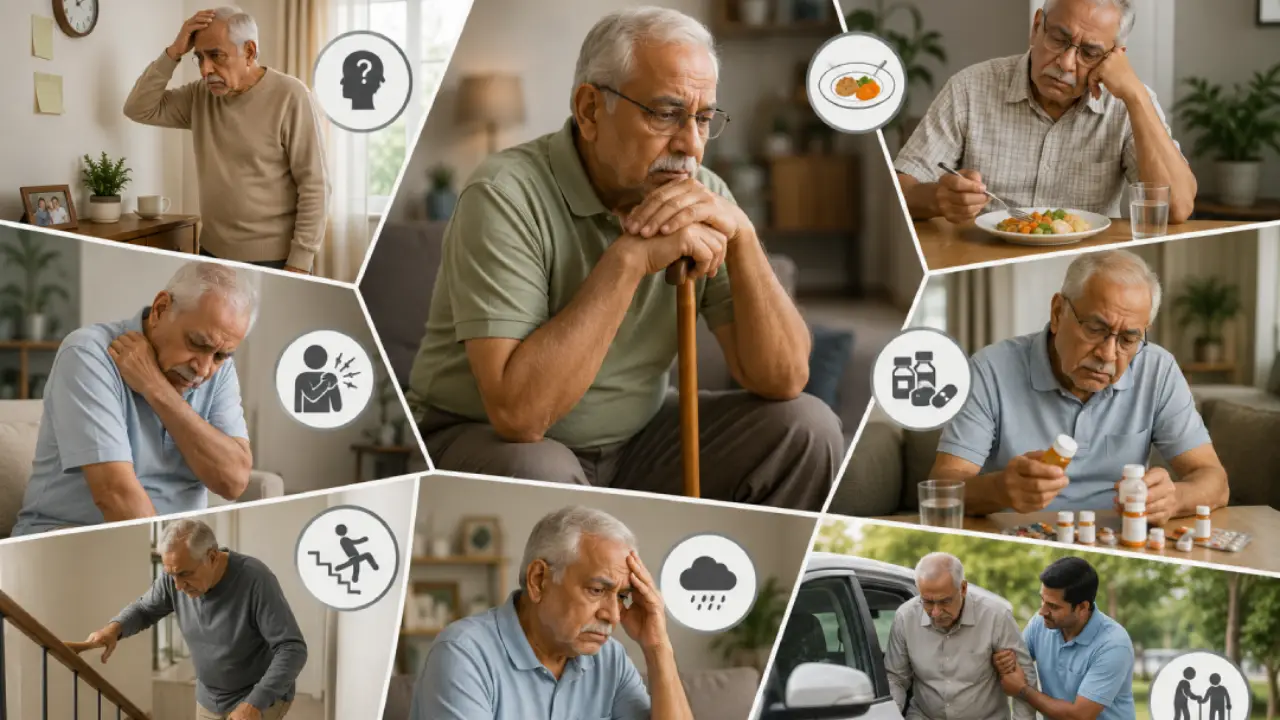
In many households, the first signs are often subtle. A parent who was once independent may slowly begin avoiding stairs, forgetting medications, or struggling with daily routines. Sometimes it starts with small incidents like frequent slips, sudden weight loss, difficulty standing for long periods, or confusion during conversations. Families often dismiss these changes as “normal aging,” but in reality, they may indicate the need for the Best Professional Care before the situation becomes more serious.
Mobility issues are among the earliest warning signs. Research published by the World Health Organization (WHO) suggests that nearly 28% to 35% of people above the age of 65 experience falls every year, and the risk increases significantly after the age of 70. A simple fall can lead to fractures, surgeries, and long recovery periods that deeply affect a senior’s confidence and independence. This is why services focused on strength and mobility restoration have become increasingly important in modern elderly care.
Another major concern is cognitive decline. Forgetfulness may seem harmless initially, but repeated memory lapses, confusion, mood swings, wandering behaviour, or difficulty recognising familiar faces can point towards conditions such as dementia or Alzheimer’s disease. India already has more than 5 million people living with dementia-related conditions, and experts believe the number may double in the coming decades due to rising life expectancy. Professional environments offering restorative care for Alzheimer’s, Parkinson’s, dementia, and cognitive therapies help seniors receive structured emotional and neurological support that families alone may find difficult to provide consistently.
Hospital recovery is another stage where seniors often require organised care. Recovery after hip replacement, knee surgery, spinal procedures, or trauma-related treatment is rarely simple at an advanced age. Doctors frequently recommend rehabilitation support because older adults recover more slowly and face higher risks of infection, stiffness, or mobility loss. Supported care post hospitalization helps seniors regain confidence while ensuring proper medication management, physiotherapy, nutritional care, and emotional stability throughout recovery.
This is where rehabilitation care pre & post-hip, knee & spine surgery becomes highly valuable. Structured recovery programs not only improve physical healing but also reduce the chances of hospital readmission. According to healthcare studies in India, nearly 20% of elderly patients are readmitted within 30 days after discharge due to incomplete recovery support or poor monitoring at home. Professional recovery environments significantly help reduce this risk.
Emotional well-being is equally important. Loneliness among seniors has become a silent but growing issue, especially in metro cities where families are often separated due to work commitments. Studies show that prolonged social isolation increases the risk of depression, anxiety, and even cardiovascular issues among older adults. Modern senior living facilities are now designed to create emotional engagement through community interaction, wellness routines, therapy sessions, and recreational activities that help seniors feel connected rather than isolated.
Families today are also beginning to realise that caregiving can become emotionally exhausting without proper support. Balancing office work, childcare, and elderly care responsibilities simultaneously often leads to caregiver burnout. Professional elder care services help reduce this pressure while ensuring seniors receive uninterrupted attention and medical supervision. Choosing the Best Professional Care is no longer viewed as abandoning responsibility. Instead, it is increasingly seen as making a thoughtful and practical decision for a loved one’s long-term comfort and safety.
The concept of elderly care itself has evolved significantly over the years. Earlier, senior care was largely associated with basic assistance or old-age homes. Today, the focus has shifted towards personalised wellness, recovery-based support, and active aging. Facilities now provide services such as assisted living in Whitefield, spine & trauma care, palliative care, pain management, emotional support, and pre & post-surgery intervention recovery under one integrated system.
This growing preference for organised senior support is particularly visible in Bangalore. Families are actively looking for reliable elderly care in Bangalore that combines medical expertise with emotional compassion. Centres offering premium elder care Whitefield services are gaining attention because they focus not just on treatment, but on improving overall quality of life through personalised care plans and structured recovery support.
Palliative care is another area where awareness has increased tremendously in recent years. Contrary to common belief, palliative care is not limited to end-of-life treatment. It focuses on managing pain, improving emotional well-being, reducing discomfort, and enhancing the overall quality of life for seniors dealing with chronic illnesses. Seniors recovering from major surgeries or living with long-term conditions often benefit greatly from emotional counselling, physical relief programs, and cognitive therapies integrated into daily care routines.
Trusted providers like Belvaa senior care are helping families understand that modern elder care is about preserving dignity, independence, and emotional comfort—not simply medical supervision. The goal is to ensure seniors continue living with confidence while receiving the support they genuinely need.
As India’s elderly population continues to rise, conversations around senior wellness are becoming more important than ever. Recognising the signs early and choosing the Best Professional Care at the right time can make a meaningful difference in a senior’s physical health, emotional stability, and overall happiness. Aging may be inevitable, but growing older with dignity, comfort, and compassionate support is something every senior truly deserves.
How do I know if my parents need professional elder care?
If seniors begin struggling with daily activities like walking, bathing, taking medications, or managing meals independently, it may be time to consider professional support. Frequent falls, memory issues, emotional withdrawal, and repeated hospital visits are also important warning signs that should not be ignored.
What are the benefits of assisted living for seniors?
Assisted living provides seniors with a safe and structured environment while still allowing them to maintain independence. It combines medical support, emotional care, social engagement, physiotherapy, and routine monitoring, helping improve both physical and mental well-being.
Why is rehabilitation important after surgery for elderly patients?
Older adults generally recover more slowly after surgeries involving the hip, knee, or spine. Rehabilitation helps improve mobility, restore muscle strength, reduce pain, and prevent complications. Proper recovery support also lowers the chances of hospital readmission after discharge.
What conditions usually require long-term senior care?
Conditions such as Alzheimer’s disease, Parkinson’s disease, dementia, stroke recovery, severe arthritis, and spinal injuries often require long-term care. Seniors with chronic illnesses or mobility challenges also benefit from structured medical supervision and emotional support.
What makes premium senior care facilities different from regular care homes?
Facilities offering premium elder care Whitefield services focus on personalised recovery, emotional wellness, rehabilitation, and comfortable living rather than just basic assistance. They provide specialised care programs, trained medical staff, cognitive therapies, and a more holistic approach to senior well-being.